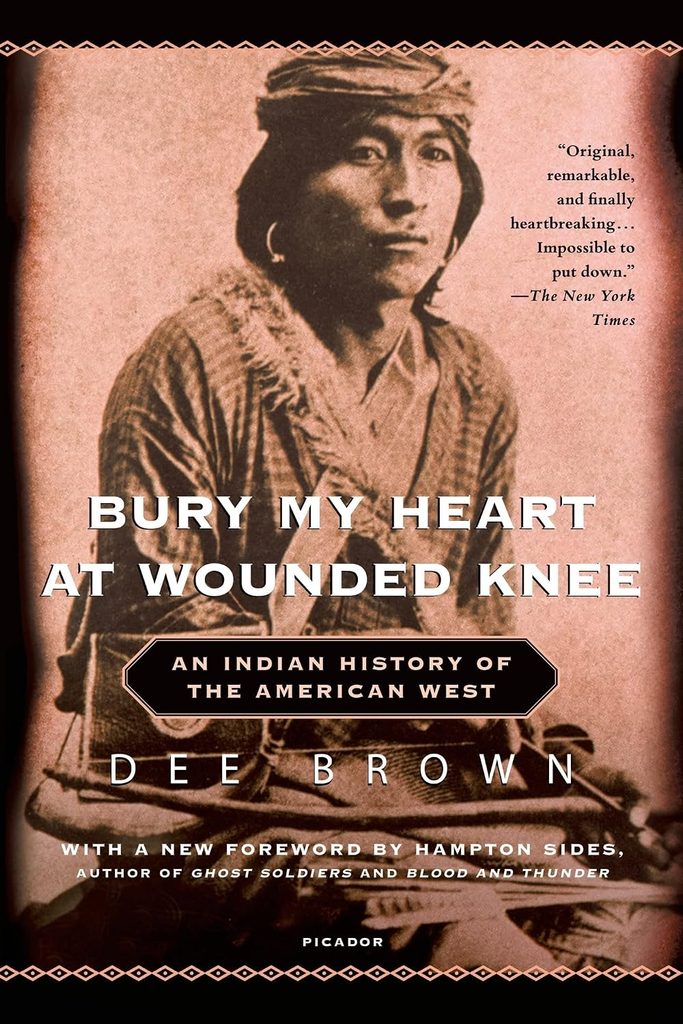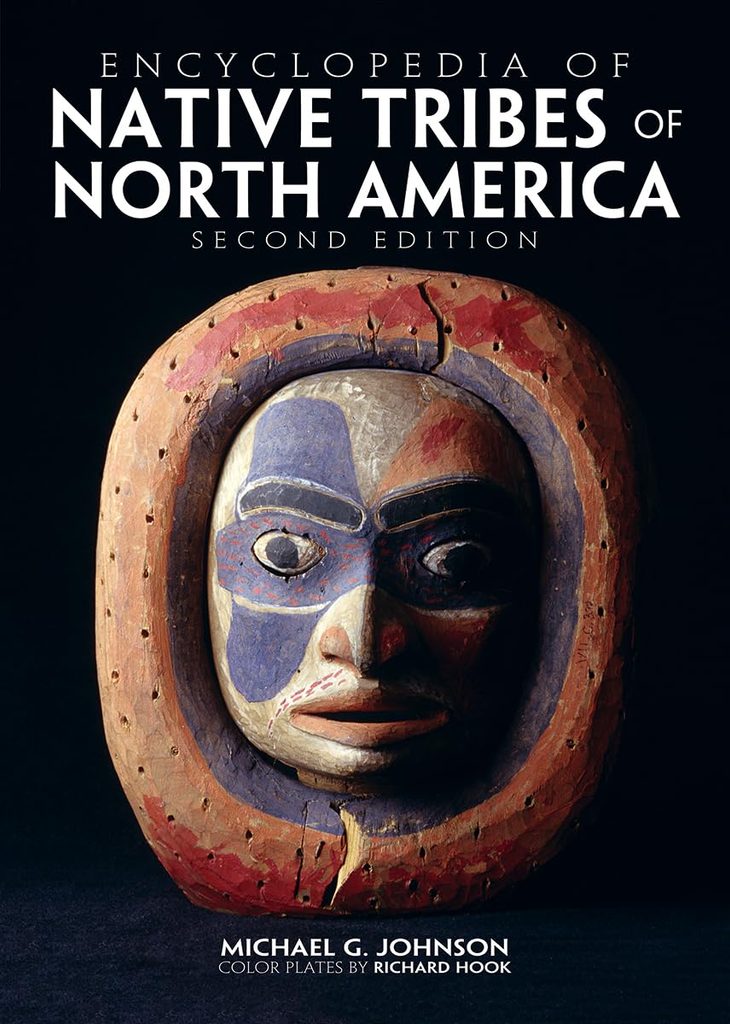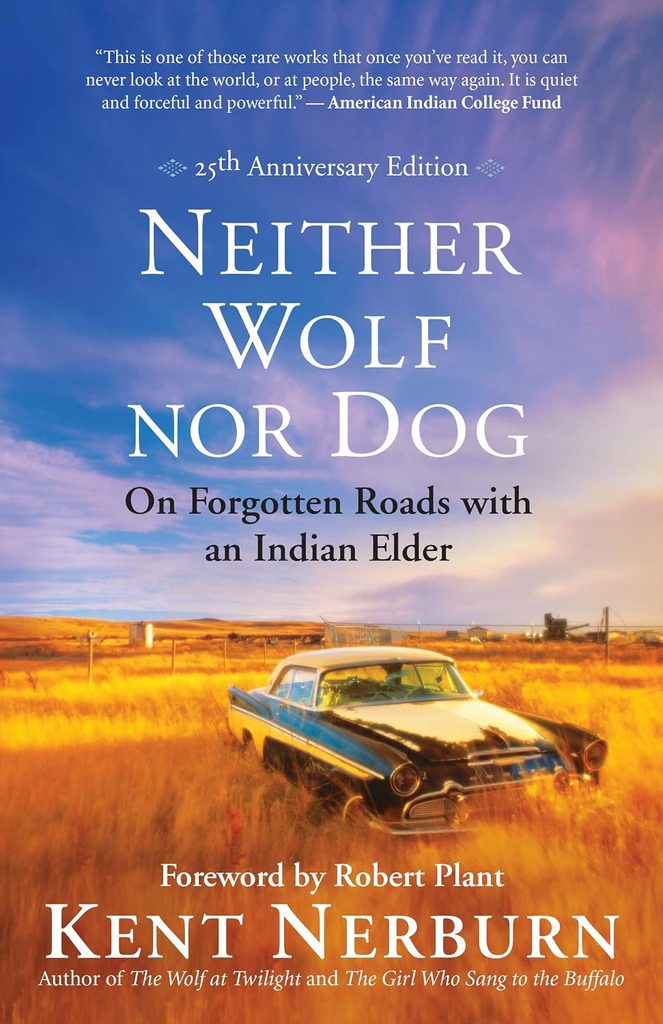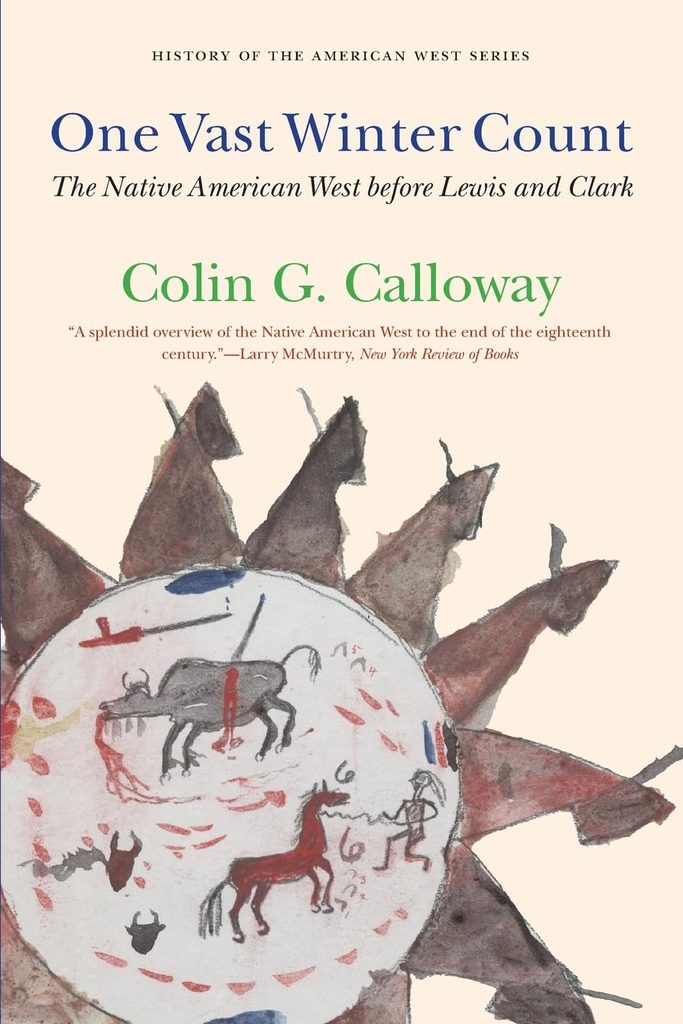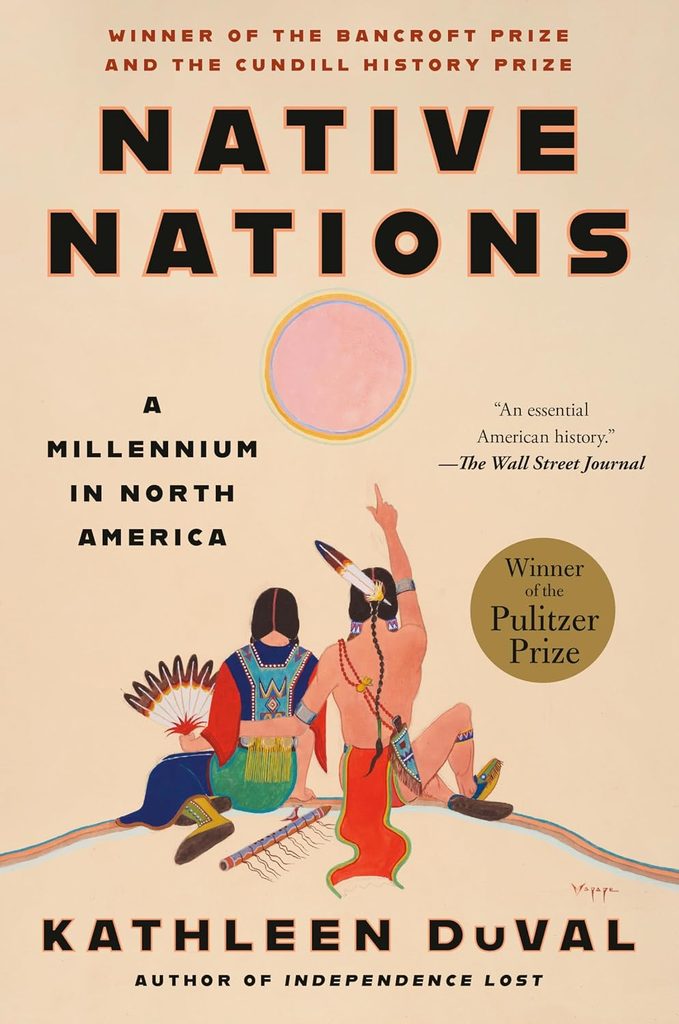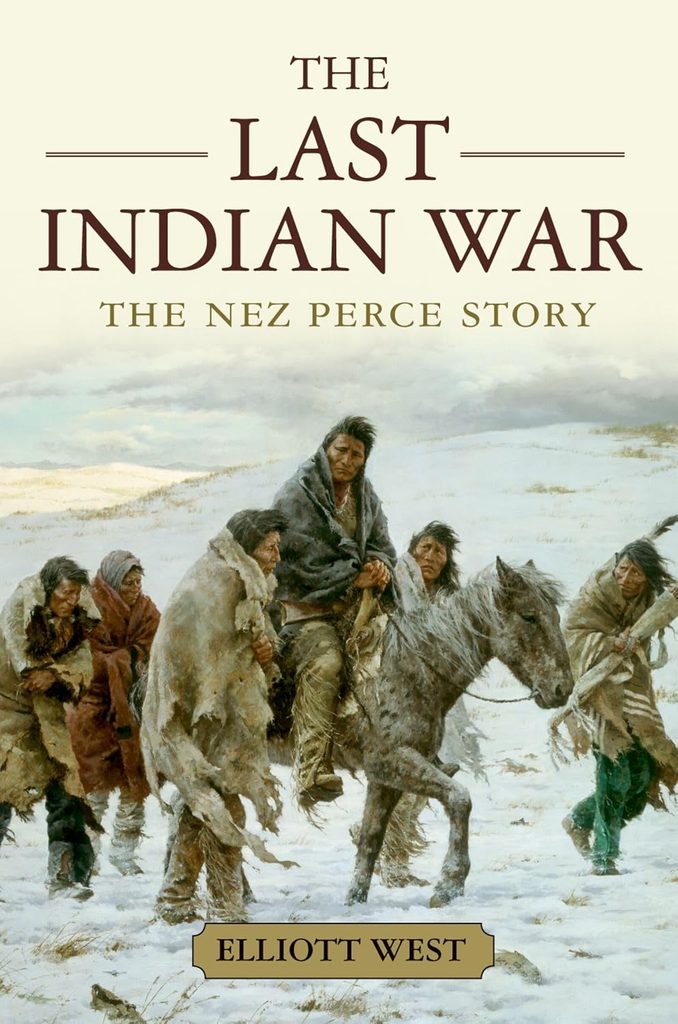
November is Native American Heritage Month as promoted by the United States Department of the Interior. As stated on the Interior’s website, “It is a time to celebrate the traditions, languages and stories of Native American and Alaska native communities and ensure their rich histories and contributions continue to thrive with each passing generation.” And while I applaud the effort by the Department of the Interior to bring attention to the first Americans, we must realize that our country was first settled from east to west by indigenous populations that were pushed west as the English colonies and later the United States grew exponentially. Our cities are now located where Indians once settled, and our roadways are placed over the original trails that our indigenous ancestors walked to hunt and to trade. The coastal tribes of the east taught European settlers how to survive and to thrive in a land foreign to them which allowed the success of the European settlement of North America. Their knowledge, beliefs, and heritage are important to the soul of this country and finally we are recognizing that fact.
This year’s theme established by the Department of the Interior is ‘Weaving together our past, present, and future.” The Department will emphasize failed national policies with a focus on the Federal Indian Boarding Schools and the work being done to address the intergenerational trauma Native Americans face past and present. We can do more by taking time to understand the way of life Indians enjoyed prior to the arrival of European settlers and that of their present lifestyle. No matter where you live in America you can dive into a study of the first Americans in your area and how they lived initially and if they remain a presence in your community now. Regardless of where you live and what your ancestry may be, Native Americans have affected your life in one way or another. And you can seek out that impact by visiting your local library.
My interest in Indian culture began as a young boy growing up in Northeast Alabama in the 1970s. I knew early on that my family had a relationship with the Native culture that came before us, and my understanding of that heritage seemed to happen naturally in our lives whether we were at home, work or school. Ultimately, my Dad was integral for my early awareness and appreciation of our Indian heritage through activities that he was able to intertwine into our daily lives. One of the main activities that encouraged my curiosity and led me to be interested in history and archaeology was our reoccurring trips to cut firewood for the winter. Often we would spend all day on Saturdays cutting and loading firewood onto his truck because our main source of heat in the winter was a wood stove in our living room. Most likely we could have cut and loaded three loads in the same amount of time except we would also scour the countryside for evidence of past residents. It occurred to me much later in life just how much fun my Dad had on those outings and how much they would influence the rest of my life.
I initially went to college to complete a degree in journalism but switched that to history after working for a decade at a newspaper as an ad builder, reported, and editor. I realized that I wanted more and needed to align myself with a career that I enjoyed. Based on my youthful interests it seemed a natural fit for me to dive into history and archaeology as I began my second stint in college. My focus as an undergraduate was general history with a concentration in the American Civil War which led me to spend much more time in the library than I had at any point in my past. I didn’t realize that was a foreshadow of where I would spend much of the last 30 years of my life. While I wrote my Master’s Thesis on newspapers during the Civil War, I realized the vast number of academic titles focused on Native American culture, most specifically in the southeastern region of the United States.
After my thesis work was concluded I began working at a college library first in northwest Georgia and later at Auburn University. I worked in the circulation department, managed student worker tasks and was responsible for the upkeep of the floor that housed the history materials. Here I focused on an even more in-depth investigation into the Indian culture that dominated the southeast including Georgia, Alabama and Florida. I carried this fascination with me as I began work at the library at Auburn and as I worked on my studies in the doctoral program there. My concentration at Auburn was the Revolutionary War along the Gulf Coast which included the relationship between European settlers and the Indians of the region. Again, the library became my second home as I researched more deeply into Native American history.
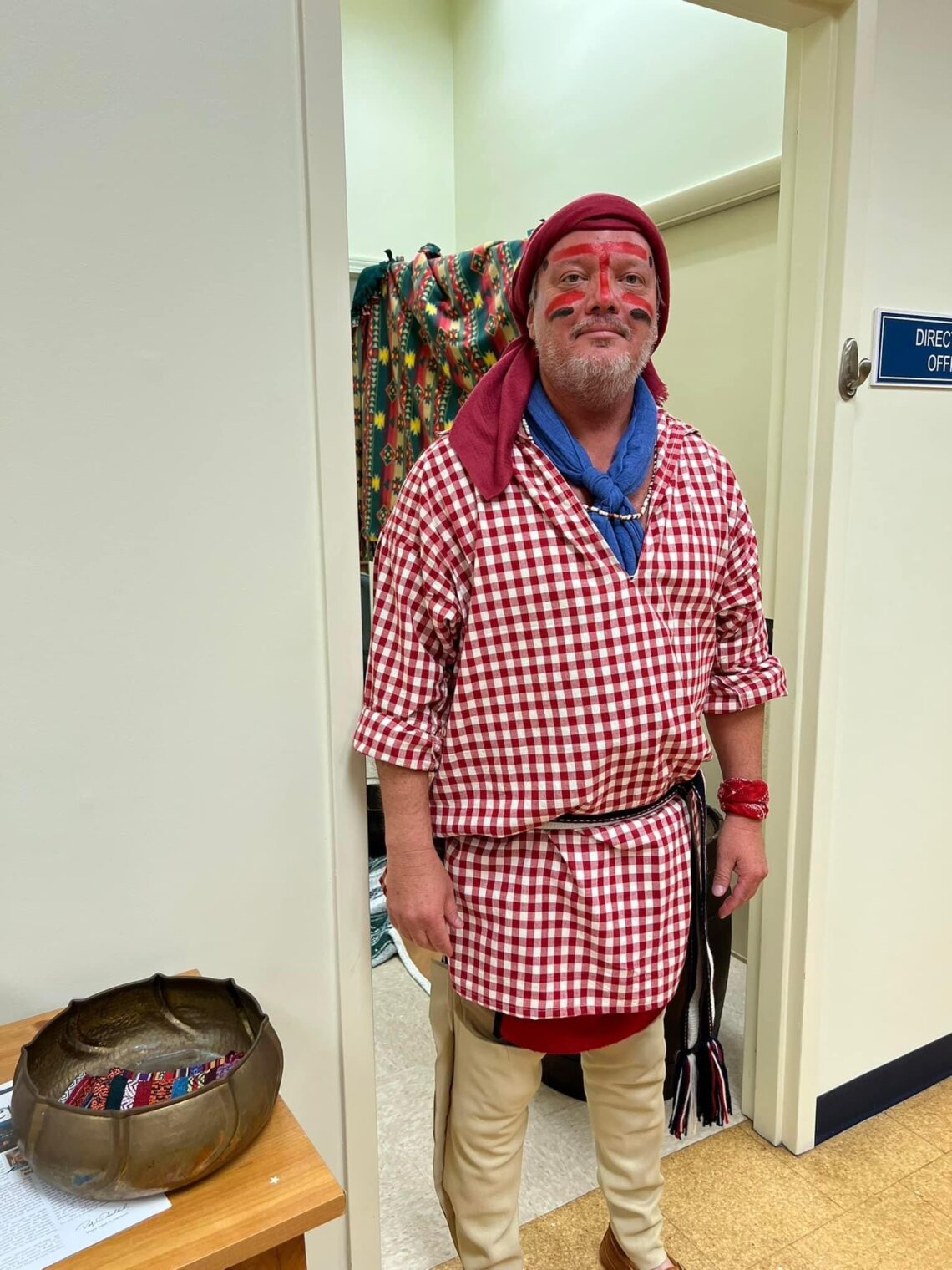
I proudly became a member of the Lower Muskogee Creek tribe located in South Georgia after uncle and I traced our lineage back to the tribe. We approached the tribal leaders and became members of the tribe in 2022 after compiling numerous documents proving our ancestry from paper and digital files. We both spent a lot of time in different libraries confirming our research with librarians that cared that we received the correct information in a timely manner. In the end we were successful largely due to the diligence of the library staff we worked with through the process. As a result, we have immersed ourselves in our heritage learning as much as possible about the Creek’s that survived the Trail of Tears and those that refused to leave, remaining on their home ground in Whigham Georgia. We have since become an integral part of the tribe’s ceremonies although I have moved from South Alabama to Wyoming. In the future, when I retire, I plan to be more involved with the medicine associated with the ceremonies as well as the history of the tribe and the path that we will follow in the future. I am sure that the research that I have conducted at our library now will allow me an even better understanding of my Native heritage in preparation for my future.
I have found that our library has numerous resources that can be used to find out more about America’s Native history. And even though my focus has been on the Indians of the Southeast United States I have begun to learn more about the Indians of the American Plains and the far west. The vast amount of information that I found was astonishing. From over a thousand titles that offer insight on Indian culture and heritage to even more digital resources there is a wealth of information at the Campbell County Public Library System for those interested in this nation’s rich Native history. And with the 250th anniversary of the nation at hand what better time to get better acquainted with its first residents.
Native Americans of the West