
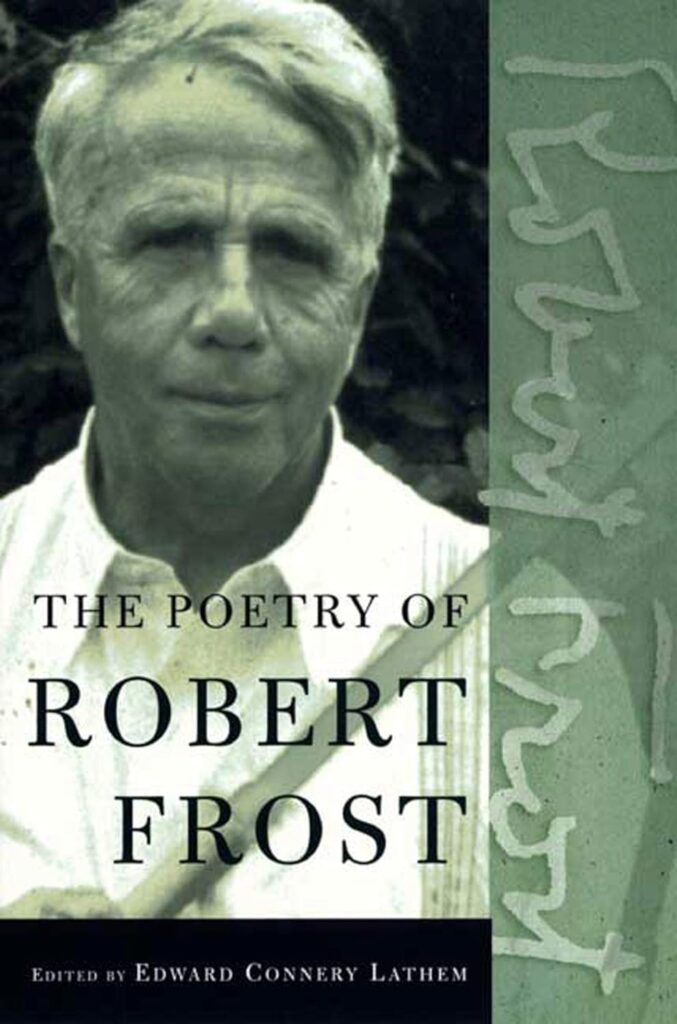
Robert Frost (1874-1963): American, realistic depictions of rural life, examining social and philosophical themes, conversational and realism poetry, traditional poetic style, villanelle (three line stanzas followed by a four line stanza) and sonnets, modernist style, humor and wisdom
Popular Poems: The Road Not Taken, Stopping By Woods On a Snowy Evening, Nothing Gold Can Stay
“The woods are lovely, dark and deep/ But I have promises to keep/And miles to go before I sleep/And miles to go before I sleep”-Stopping By Woods On a Snowy Evening
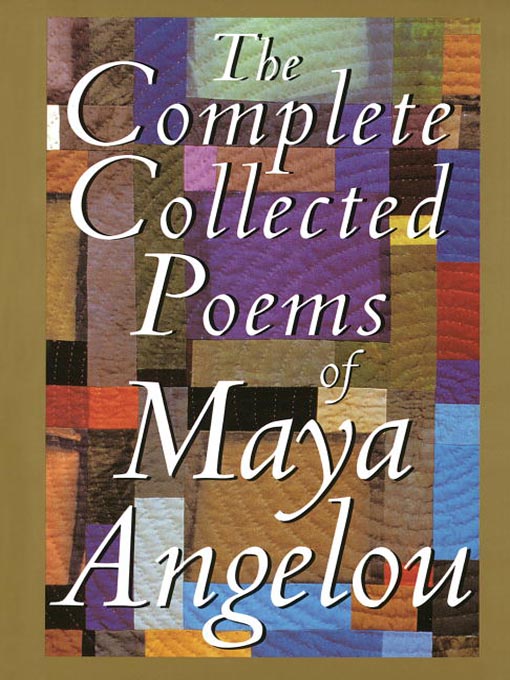
Maya Angelou (1928-2014): American, poet, memoirist, civil rights activist; lyrical, narrative and spoken word poetry
Popular Poems: Phenomenal Woman, Still I Rise, Caged Bird
“You may write me down in history/With your bitter, twisted lies,/You may tread me in the very dirt/But still, like dust, I’ll rise”-Still I Rise
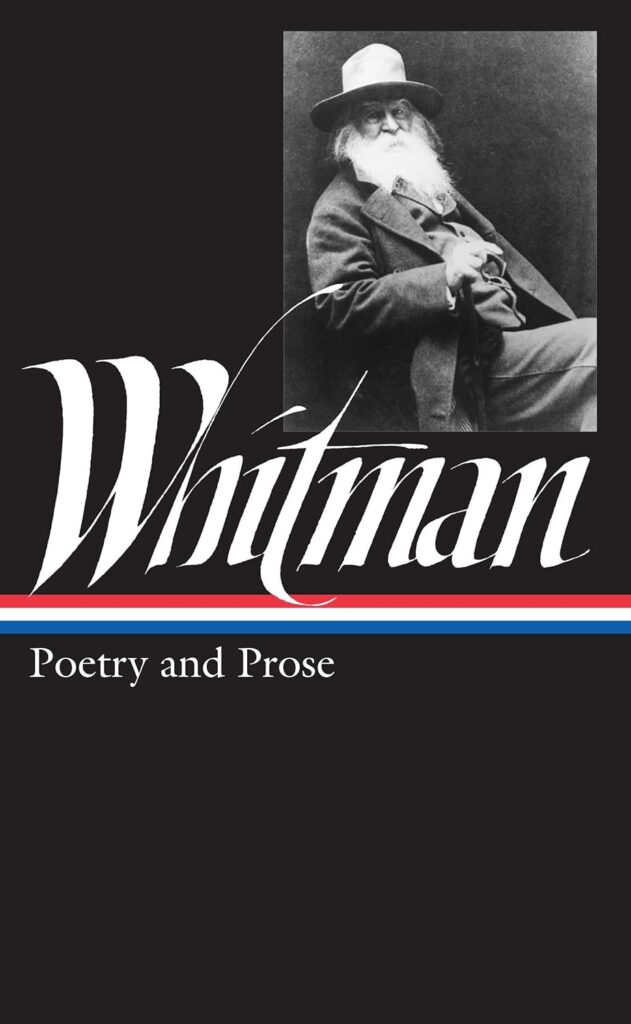
Walt Whitman (1819-1892): American, essayist, poet, journalist; realism, transcendentalism/nature, spiritual, emotional themes, popularized and innovated free verse poetry
Popular Poems: Song of Myself, O’ Captain! My Captain!, O Me! O Life!
“Of the empty and useless years of the rest-with the rest me intertwined/ The question, O me! so sad, recurring-What good amid these, O me, O life?/Answer./ That you are here-that life exists, and identity/That the powerful play goes on, and you will contribute a verse.”- O Me! O Life!
William Blake (1757-1827): English; poet, painter, engraver, printmaker; Romanticism poetry, lyricism, mysticism, social critique, allegory, symbolism, imagery
Popular Poems: The Tyger, A Poison Tree, The Sick Rose
“When the stars threw down their spears/And water’d heaven with their tears/Did he smile his work to see?/Did he who made the Lamb make thee?/Tyger! Tyger! burning bright/In the forests of the night/What immortal hand or eye/Dare frame thy fearful symmetry?”-The Tyger
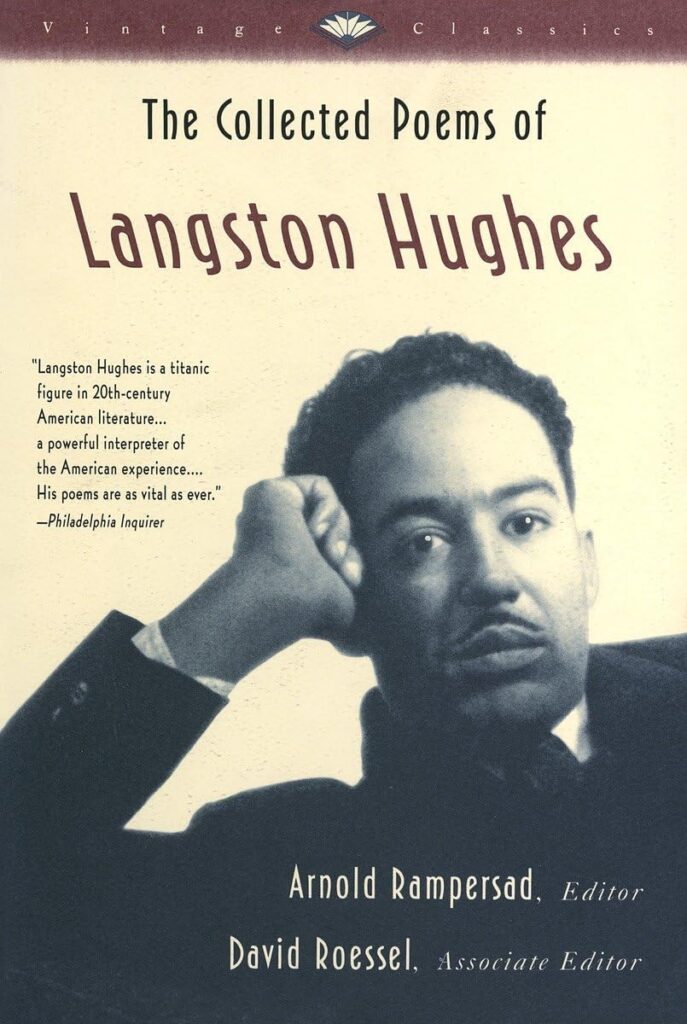
Langston Hughes (1902-1967): American poet, social activist, novelist, playwright, columnist; early innovator of jazz poetry (rhythm, improvisation, syncopation, musicality), influential figure in the Harlem Renaissance
Popular Poems: Theme for English B, Democracy, I, Too
“I tire so of hearing people say/Let things take their course/ Tomorrow is another day/I do not need my freedom when I’m dead/I cannot live on tomorrow’s bread/Freedom/Is a strong seed/ Planted/ In a great need/I live here too/I want freedom/Just as you”- Democracy
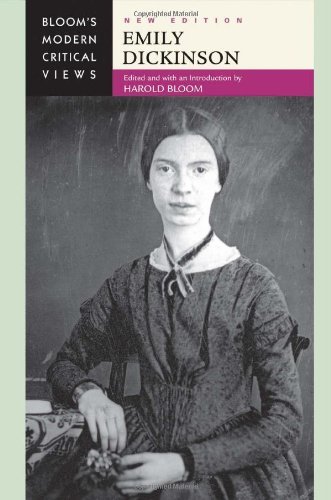
Emily Dickinson (1830-1886): American poet; heavy focus in lyrical poetry founded in personal emotions and thoughts; themes of love, death, nature, identity; experiments with unique variations of meter (syllabic rhythm in a poem) and poem structure; imagery and distinct word choice
Popular Poems: Because I could not stop for death (479), Hope Is The Thing With Feathers, I Died For Beauty But Was Scarce
“ ‘Hope’ is the thing with feathers-/That perches in the soul-/And sings the tune without the words-/And never stops-at all”-Hope Is The Thing With Feathers
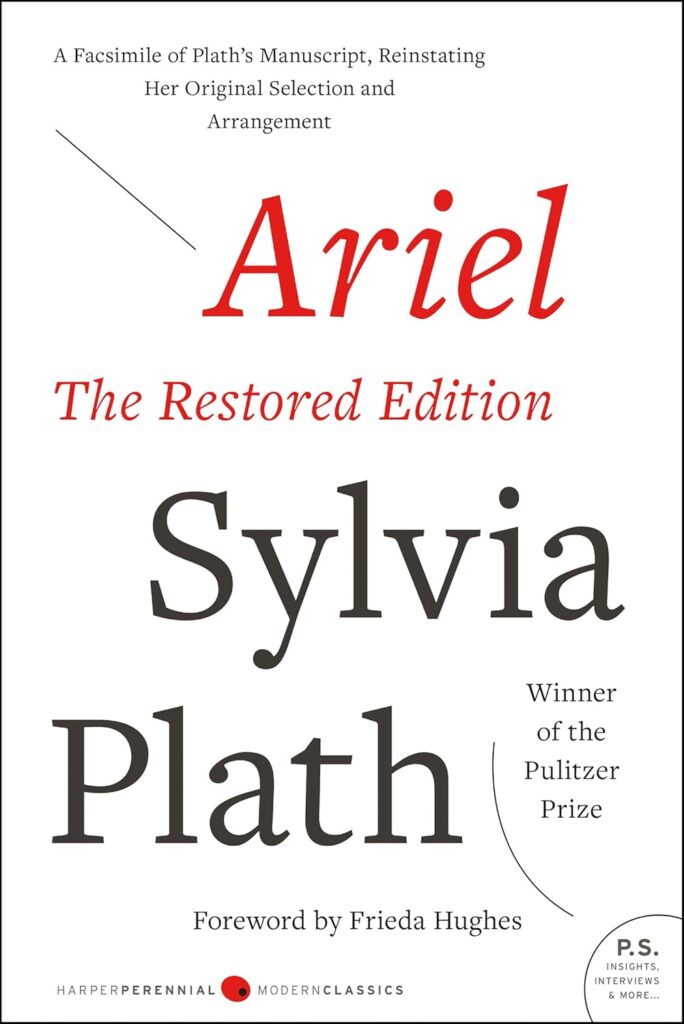
Sylvia Plath (1932-1963): American poet, novelist, writer; posthumous Pulitzer Prize award, pioneer in confessional poetry style which highlights personal experiences and emotional depth; explored themes of mental anguish, troubled relationships and self-identity; known for technical precision in writing and violent and disturbing vivid imagery coupled with creative word choice.
Popular Poems: Daddy, Family Reunion, Rhyme
“If I’ve killed one man, I’ve killed two-/The vampire who said he was you/And drank my blood for a year/Seven years, if you want to know/Daddy, you can lie back now/There’s a stake in your fat black heart/And the villagers never liked you/They are dancing and stamping on you/They always knew it was you/Daddy, daddy, you bastard, I’m through”-Daddy
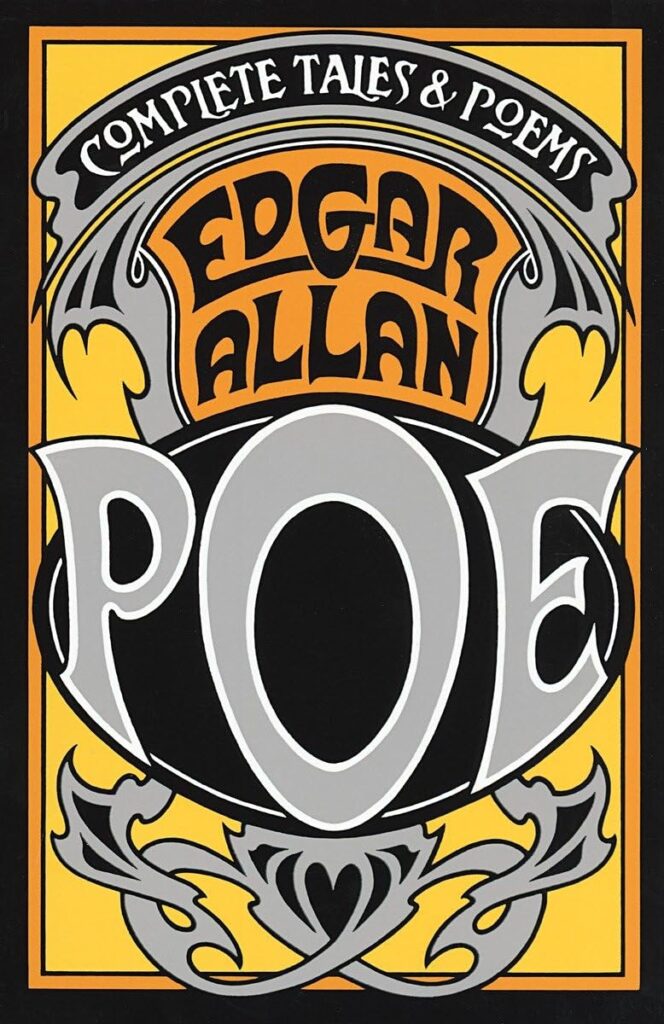
Edgar Allan Poe (1809-1849): American poet, writer, literary critic, editor. Best known for writing poetry and short stories exploring themes of mystery, melancholy, gothic imagery, death, loss, some horror and suspense with the supernatural. Wrote technical poetry with meter, rhyme and sound to create an musical effect and honed in on emotional expression. Early establisher of short stories in literary cannon, and a highlight of the Romanticism poetry movement. Early influencer in defining genres of detective mysteries and science fiction.
Popular Poems: The Raven, Annabel Lee, A Dream Within a Dream
“Take this kiss upon the brow!/And, in parting from you now,/Thus much let me avow-/You are not wrong, who deem/That my days have been a dream;/Yet if hope has flown away/In a night or in a day,/In a vision, or in none,/Is it therefore the less gone?/All that we see or seem/Is but a dream within a dream”-A Dream Within a Dream
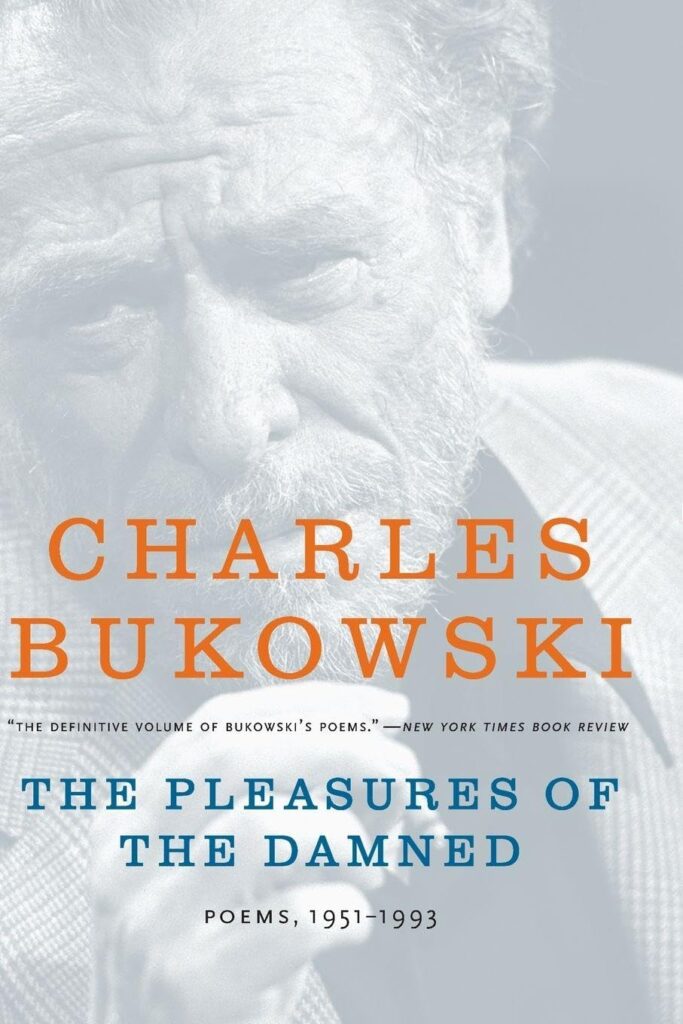
Charles Bukowski (1920-1994): German-American poet, novelist; main influences came from topics of the social, cultural, and economic urban standpoints of Los Angles; themes of his work included alcoholism, desolation, sex and violence, the art of writing, relationship problems, working class struggles, and upon the ordinary lives of poor and downtrodden Americans. Writing style is raw and gritty, confrontational, vulgar, bluntly honest, nonconformist structure.
Popular Poems: Bluebird, The Laughing heart, Alone With Everybody
“you can’t beat death but/you can beat death in life, sometimes./and the more often you learn to do it,/the more light there will be./your life is your life./know it while you have it.”-The Laughing Heart
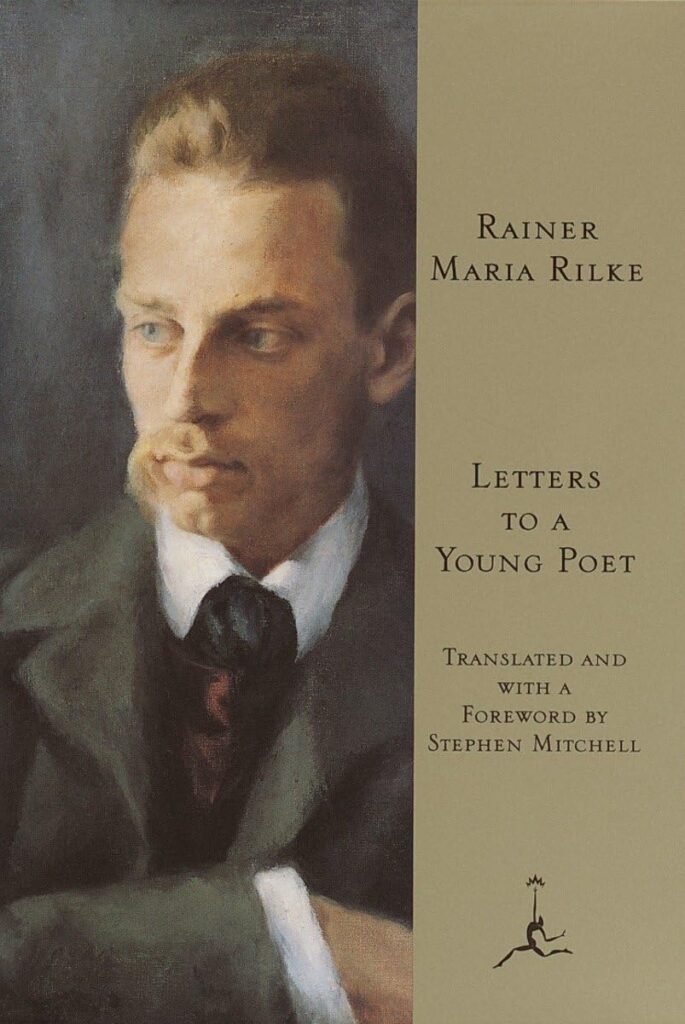
Rainer Maria Rilke (1875-1926): Austrian poet and novelist, defining lyrical German-language poet which expresses deep emotions and philosophical insights, verse expressionist style along with mysticism, and existentialism. Vivid in imagery and unconventional use of syntax. Themes included solitude, anxiety, life and death, beauty and pain, nature and finding meaning within life.
Popular Poems: Torso of an Archaic Apollo, Put Out My Eyes, A Walk
“Put out my eyes, and I can see you still,/Slam my ears to, and I can hear you yet;/And without any feet can go to you;/And tongueless, I can conjure you at will./Break off my arms, I shall take hold of you/And grasp you with my heart as with a hand;/Arrest my heart, my brain will beat as true;/And if you set this brain of mine afire,/Then on my blood-stream I will yet carry you.”-Put Out My Eyes
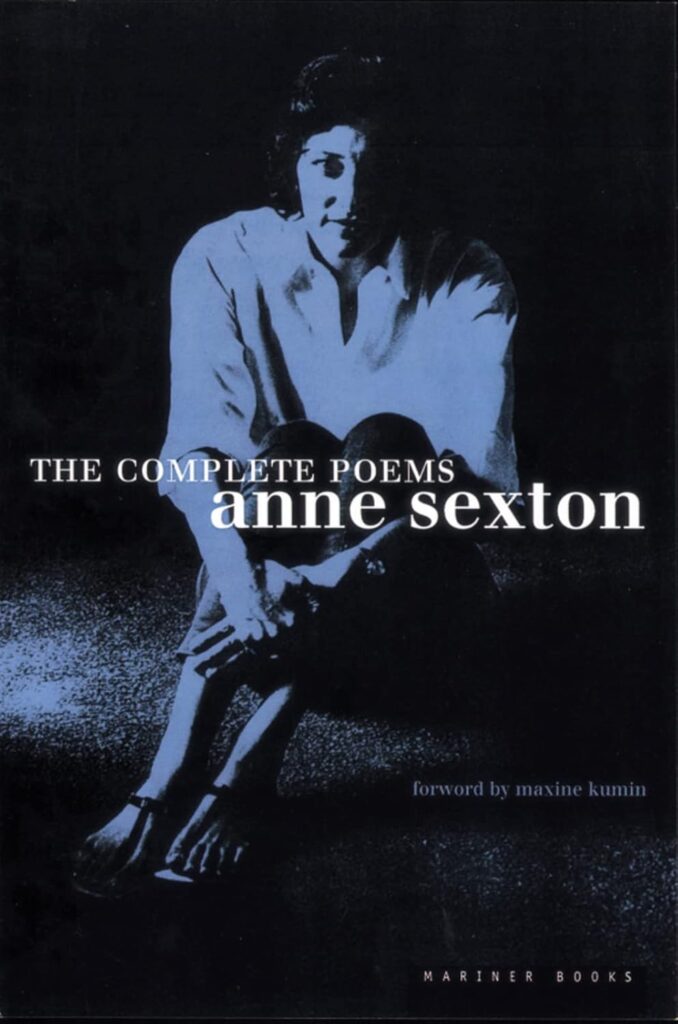
Anne Sexton (1928-1974): American poet and playwright. A leader in the confessional verse poetry movement. Her poetry is marked with vivid imagery and a conversational quality that makes it relatable to readers. Her poetry explored themes of mental illness, death, domesticity, relationships, motherhood, mortality, her own experience with bipolar disorder and intense emotional honesty. At the time Anne Sexton was writing, these topics were rarely spoken about and considered unmentionable to be so personal. Anne Sexton’s poetry broke those boundaries to lead deep introspection about these topics and defined her as a prominent literary figure.
Popular Poems: Her Kind, Rowing, Red Roses
“I am rowing, I am rowing,/though the oarlocks stick and are rusty/and the sea blinks and rolls/like a worried eyeball/but I am rowing, I am rowing,/though the wind pushes me back/and I know that island will not be perfect,/it will have the flaws of life,/the absurdities of the dinner table,/but there will be a door/and I will open it/and I will get rid of the rat inside me/the gnawing pestilential rat./God will take it with his two hands/and embrace it.”-Rowing
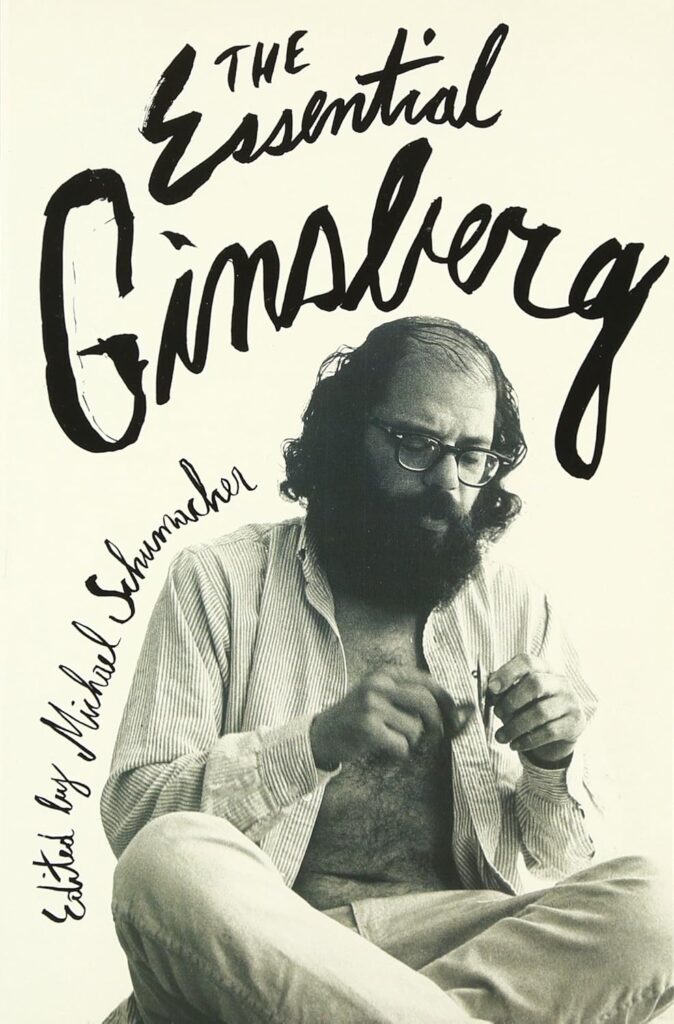
Allen Ginsberg (1926-1997): American poet, writer, political and social activist and philosopher. Many of Ginsberg’s best known work comes from influences of the Beat Generation. The Beats were a literary movement that rejected traditional literary structures and conventions to create a more free flowing expression of thought and literary style. While Ginsberg found counterculture success in his poems, he also faced critical and legal controversy for obscenity accusations. His stylings used free verse and stream of consciousness along with repetition and refrain while tackling subjects like drug use, mental illness, homosexuality and the raw honesty of human emotions and experience.
Popular Poems: A Supermarket in California, Howl, Kaddish
“Ai! Ai! We do worse! We are in a fix! And you’re out, Death let you out,/Death had the mercy, you’re done with your century, done with/God, done with the path thru it-Done with yourself at last-Pure/-Back to the Babe dark before your Father, before us all-before the/world-/There, rest. No more suffering for you. I know where you’ve gone, it’s good.”-Kaddish
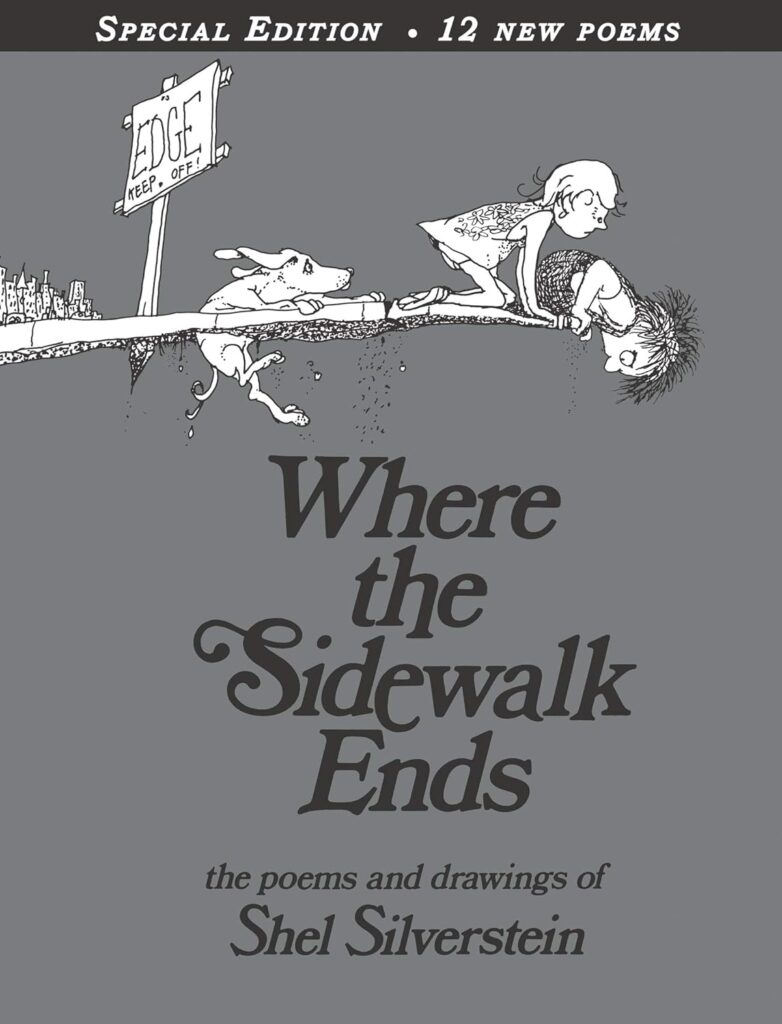
Shel Silverstein (1930-1999): American poet, cartoonist, songwriter, and children’s book author. Shel Silverstein’s literary background started with being a cartoonist and writer for multiple magazines where he would contribute written pieces and illustrations. In the 1960’s, he began to write children’s books with his breakout bestseller and award winning Where the Sidewalk Ends in 1974 which defined his work timelessly as a beloved and famous introduction for many children into poetry.
Followed by collections A Light in the Attic and Falling Up and narrative poetry children’s book The Giving Tree, Silverstein’s poetry is marked for its wit and humor, simple and approachable language, memorable characters, and relatability. He had no formal study into poetry which also made his work refreshing and uniquely creative. He wrote mainly in a narrative style in a repetitive rhyming scheme with memorable use of alliteration of the same letter or sound being used in a row, creating a lilting and musical rhythm.
Popular Poems: Sick, Sarah Cynthia Sylvia Stout Would Not Take the Garbage Out, Ickle Me, Pickle Me, Tickle Me Too
“My elbow’s bent, my spine ain’t straight,/My temperature is one-o-eight./My brain is shrunk, I cannot hear,/There is a hole inside my ear./I have a hangnail, and my heart is-/what? What’s that? What’s that you say?/You say today is…Saturday?/G’bye I’m going out to play!”-Sick
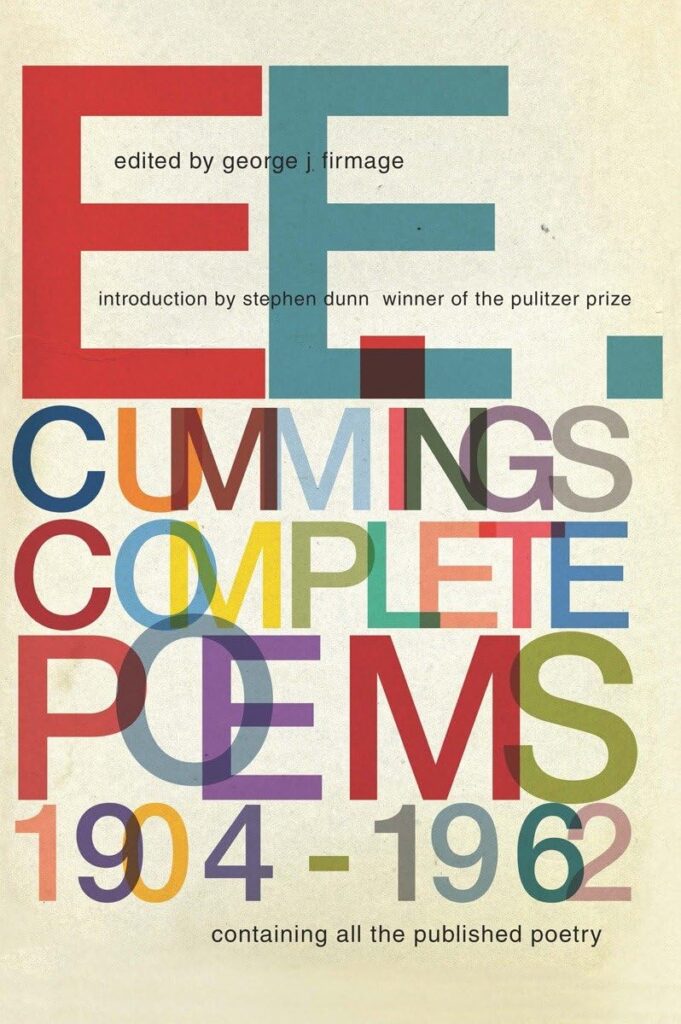
E.E. Cummings (1894-1962): American poet, author, playwright, painter, and essayist. E.E. Cummings was influential in literature and in poetry in particular for his standout use of unconventional stylings on syntax, grammar rules, punctuation, visuals, lyricism, satire, lowercase letters, various letter spacing and line spacing and other typography elements to make his poetry visually appealing. Cummings would make his poetry into a collage of words to represent an art piece and was a literary influence in the style of modernist free verse. Many of his poems centered on themes of love, nature, beauty, human experiences and emotional depth that led them to be profound and relatable.
Popular Poems: anyone lived in a pretty how town, i carry your heart with me (i carry it in), since feeling is first
“i carry your heart with me (i carry it in my heart)/ i am never without it (anywhere i go you go, my dear; and whatever is done/by only me is your doing, my darling)”-i carry your heart with me (i carry it in)
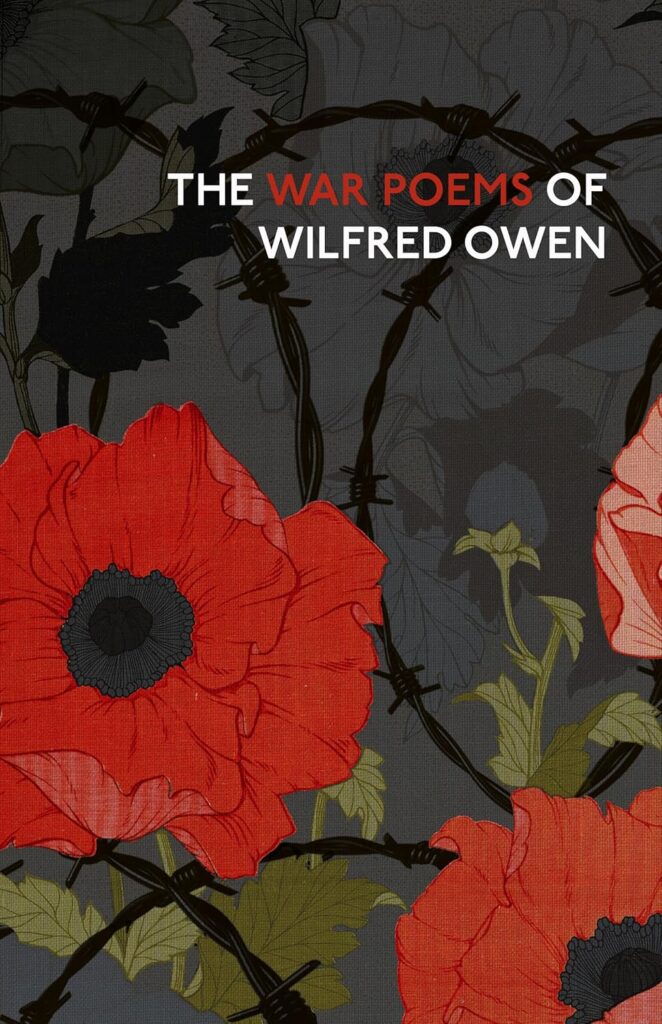
Wilfred Owen (1893-1918): English poet and soldier. Known for writing some of the most impactful World War I poetry from a personal and visceral point of view. A furious collection of poems written over a year while serving as a Lieutenant in the British Army in the trenches of France comprises the bulk of his work.
Only five poems were published during his lifetime, the rest being published posthumously after he was killed in action at 25, only one week before the end of the war. Owen’s poems captured the sheer terror and suffering of modern warfare, many of them having a basis in what he experienced and witnessed. This was a bold and controversial stance to take as negative perspectives about the war were publicly discouraged or downplayed as it was seen a detriment to convincing more soldiers to enlist and continue the war effort.
His writing style was direct and truthful, and showcased vivid imagery and emotional depth. He was also a technical writer in terms of rhyme scheme and form being influenced by the Romantic era but innovating the Modernist poetry movement. While his poems are brutal, violent, heart
rending, tragic, and gripping in their depiction of the horrors of war, he also showed the fragile beauty of life and the bonds formed with his fellow soldiers to survive together amid so much destruction and death.
Popular Poems: Dulce et Decorum Est, Anthem for Doomed Youth, Sentry
“If you could hear, at every jolt, the blood/ Come gargling from the froth-corrupted lungs,/ Obscene as cancer, bitter as the cud/ Of vile, incurable sores on innocent tongues,-/ My friend, you would not tell with such high zest/ To children ardent for some desperate glory,/ The old Lie: Dulce et Decorum Est/ Pro patria mori*”-Dulce et Decorum Est
* “It is sweet and proper to die for one’s country.”