
There are many reasons I wanted to write this post. Mainly, it’s because I love reading different genres, and especially enjoy bouncing back and forth between fiction and nonfiction books. When I discovered they can have identical themes, while still being unique reads, I couldn’t stop thinking about it. Any type of reading is beneficial, the proponents say reading fiction can improve your imagination, help build empathy, and reduce stress, while reading nonfiction increases knowledge by giving real-world facts and experiences, and encourages critical thinking. As I dwelt on the fiction versus nonfiction debate, as well as my own reading experiences, I hatched the idea for a post such as this. One that celebrates the differences between fiction and nonfiction, but also finds the similarities and recognizes that a new kind of experience can be had when combining the two. I made sure to read every book on this list cover to cover, so you have my word that I, at least, enjoyed all of them, and thoroughly enjoyed matching them up. With that, I present: Same Vibe, New Pages; fiction and nonfiction book pairings with similar themes and vibes found throughout.
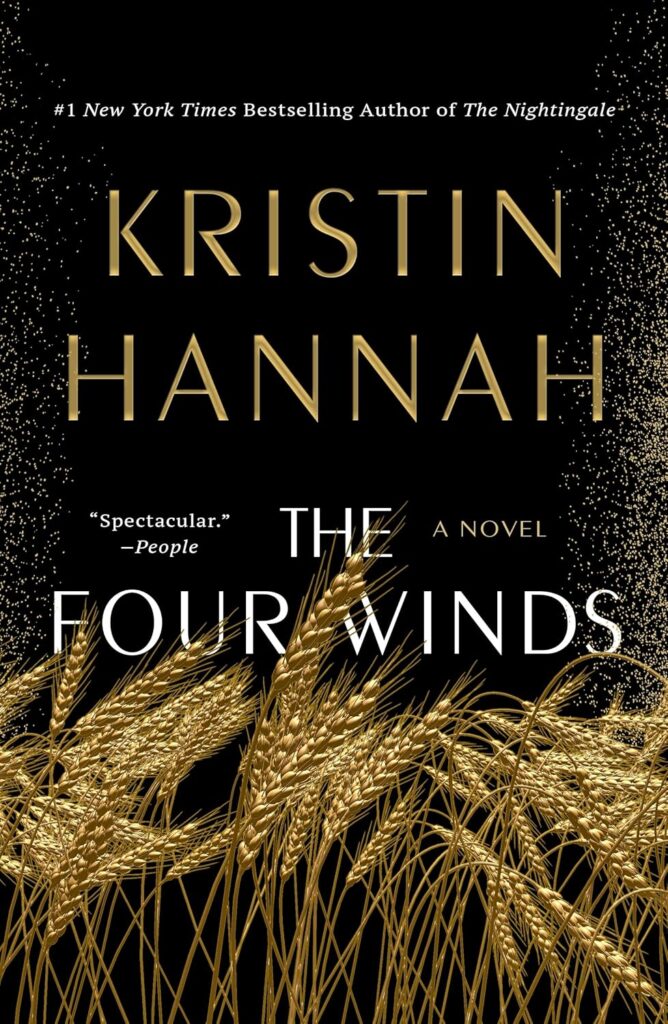
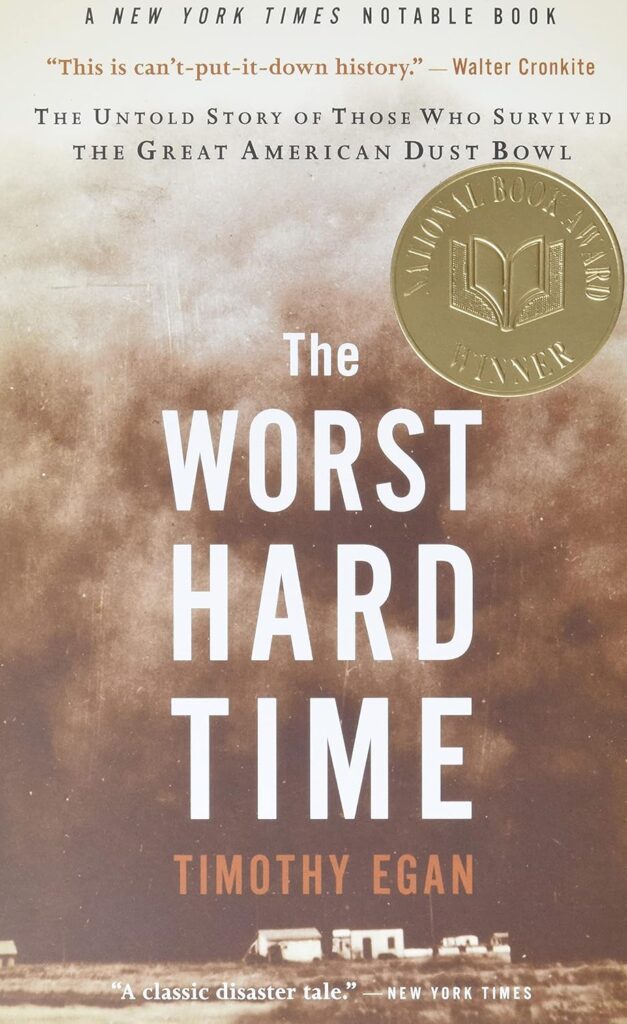
The Four Winds by Kristin Hannah and The Worst Hard Time by Timothy Egan – Down and out stories of human resilience.
If you loved Kristin Hannah’s The Four Winds (like I did), The Worst Hard Time by Timothy Egan is a nonfiction companion that hits many of the same notes. The Four Winds follows a woman as she loses her home and journeys to California during the 1930s Dust Bowl. It is a heartbreaking novel on what a mother will sacrifice to protect her children. The Worst Hard Time centers on the outright devastation caused by the Dust Bowl and tells stories of the extreme hardships faced by actual people who lived in the worst-hit areas.
Both explore resilience, poverty, and displacement, showing how the human spirit endures even in the toughest circumstances. While Egan’s account isn’t as fast-paced as Hannah’s novel, it’s deeply insightful — and both books give a peek into lives tested by the harshest of storms.
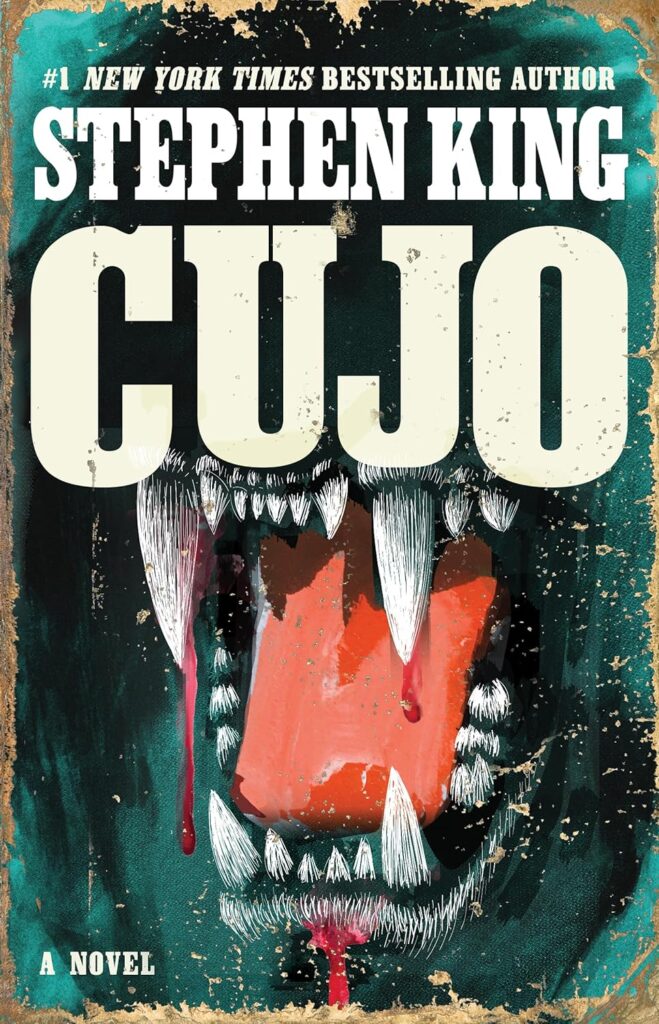
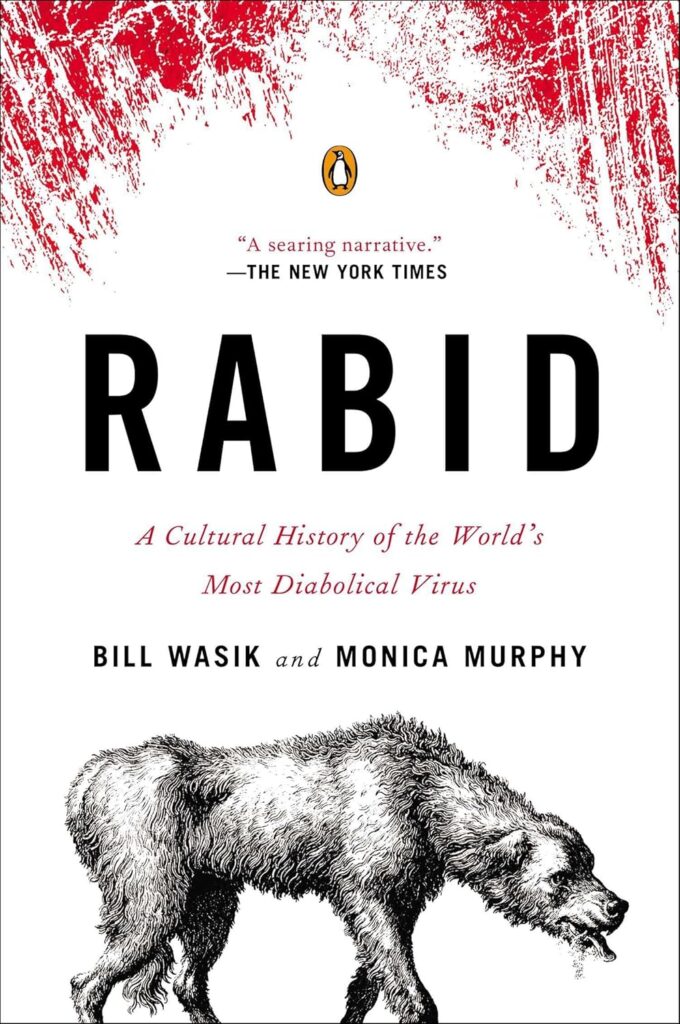
Cujo by Stephen King and Rabid by Bill Wasik and Monica Murphy – Fictional terror and real-world horror – brought to you by Rabies.
One of my favorite pairings for the morbid readers out there, is Cujo by Stephen King and Rabid by Bill Wasik, which are a match made in hopelessness. Cujo delivers emotional brutality after a friendly St. Bernard contracts rabies and turns into an enormous, murderous, monster. As you get glimpses into the psyche of the pet, along with the story line in general, it truly makes you feel a loss of control and identity. An iconic nonfiction follow-up that’s just as chilling in its own way, Rabid dives into the real-world history of the rabies virus — its evolution, science, and the cultural myths that have grown around it. Trust me, you will get real scary vibes when learning the exact horrendous fashion in which this disease kills its victims.
Both books explore the fearsome power of a virus — one through fiction, the other through history — and both will leave you feeling torn open, just a bit.
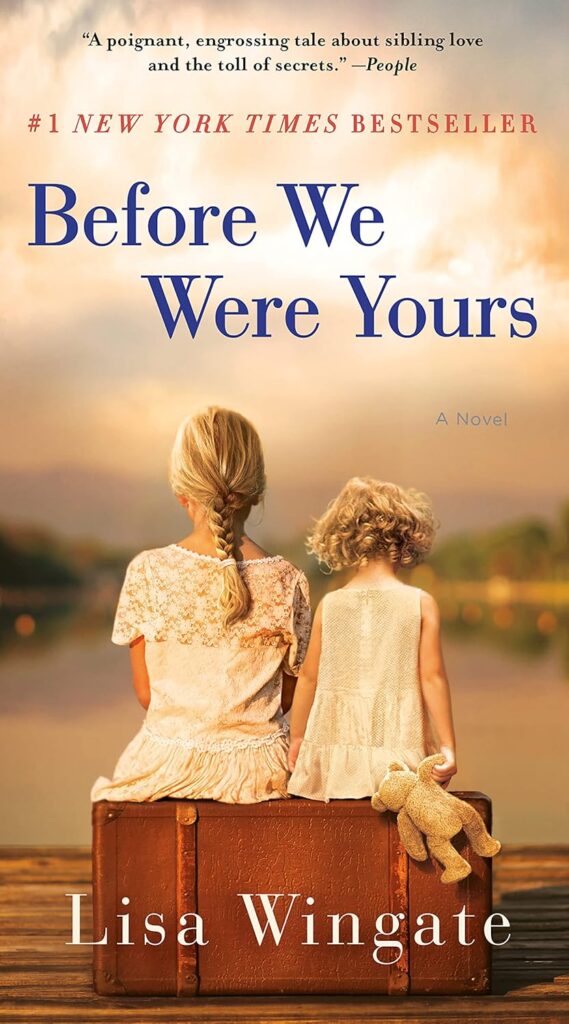
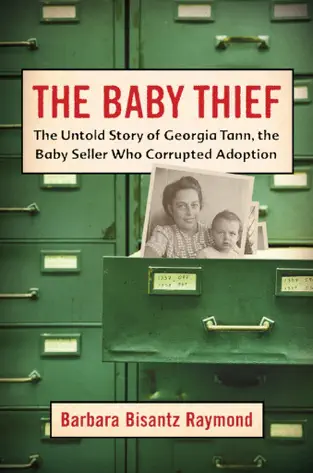
Before We Were Yours by Lisa Wingate and The Baby Thief by Barbara Bisantz Raymond – Stolen children, broken families, and a history brought to light.
If you are drawn to stories of crime, family, and belonging, check these out. It was loving Before We Were Yours that led me to seek out The Baby Thief, and I was struck by how closely they align. Both books center on the very real history of the Tennessee Children’s Home Society, where children were kidnapped and sold to wealthy adopters from the 1920s through the 1950s.
While one tells the story through fiction and the other through investigation, both explore loss, identity, and the lasting impact of stolen childhoods. These are heavy reads that touch on child abuse and should be approached with care — but together, they offer up a history that deserves to be remembered.
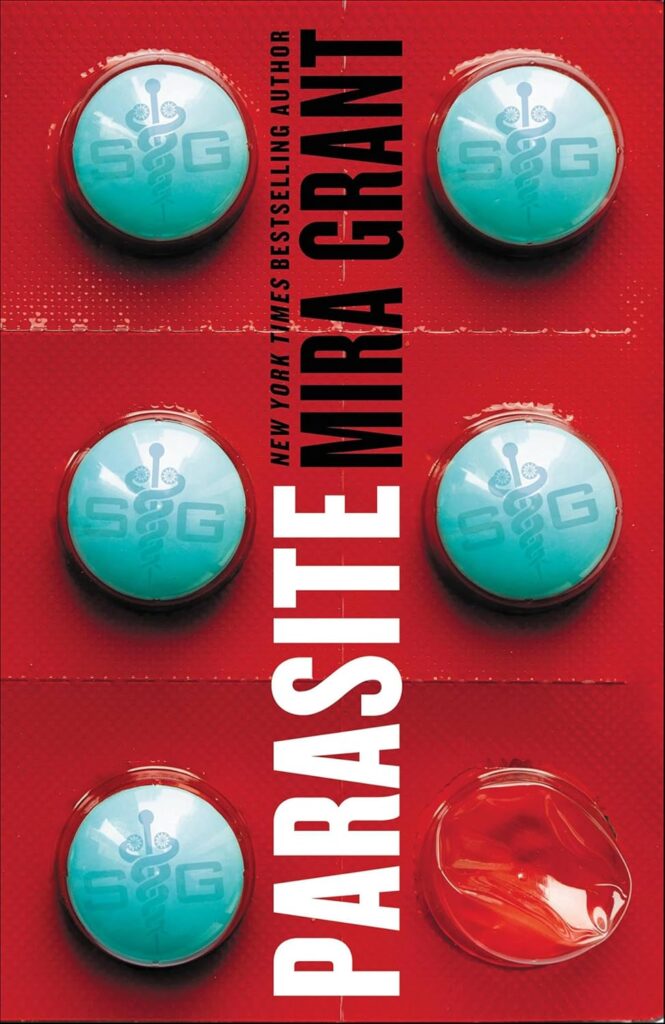
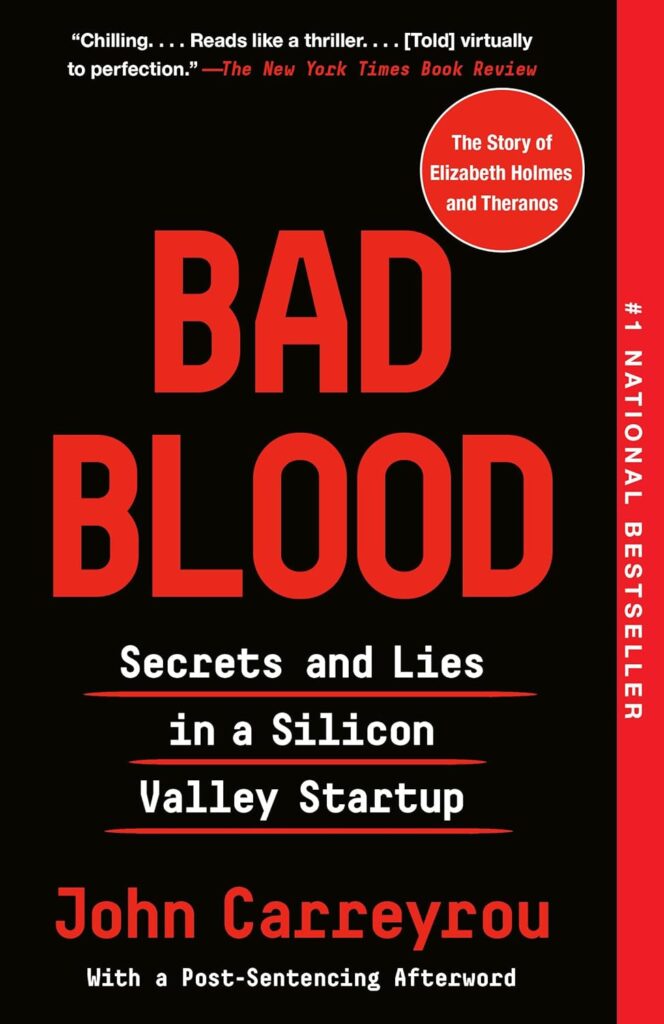
Parasite by Mira Grant and Bad Blood by John Carreyrou – Biotech ambition, moral corruption, and the consequences of cutting corners.
Think Sci-fi Thriller meets corporate ambition, greed, and unchecked power. After reading Parasite and Bad Blood close together, I cannot stop thinking about how closely their themes overlap. Parasite takes it to the extreme, imagining a world where a biotech company modifies and markets healthy parasites for humans, skipping crucial steps, cutting corners, and nearly wiping out humanity. Bad Blood brings that same energy back to reality, chronicling how a very real biotech companies “breakthrough” technology was built on deception, silenced whistleblowers, and plenty of skipped steps of its own.
While the real story doesn’t end in a zombie apocalypse (yet), it easily could have caused serious harm — both books serve as sharp reminders of what happens when ambition outruns accountability.
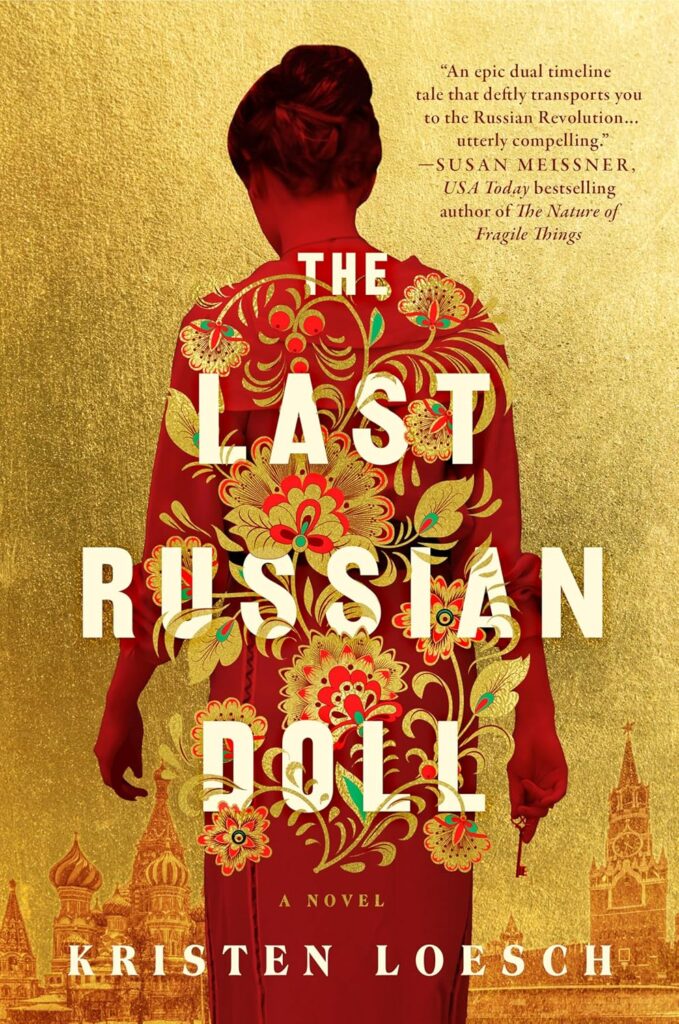
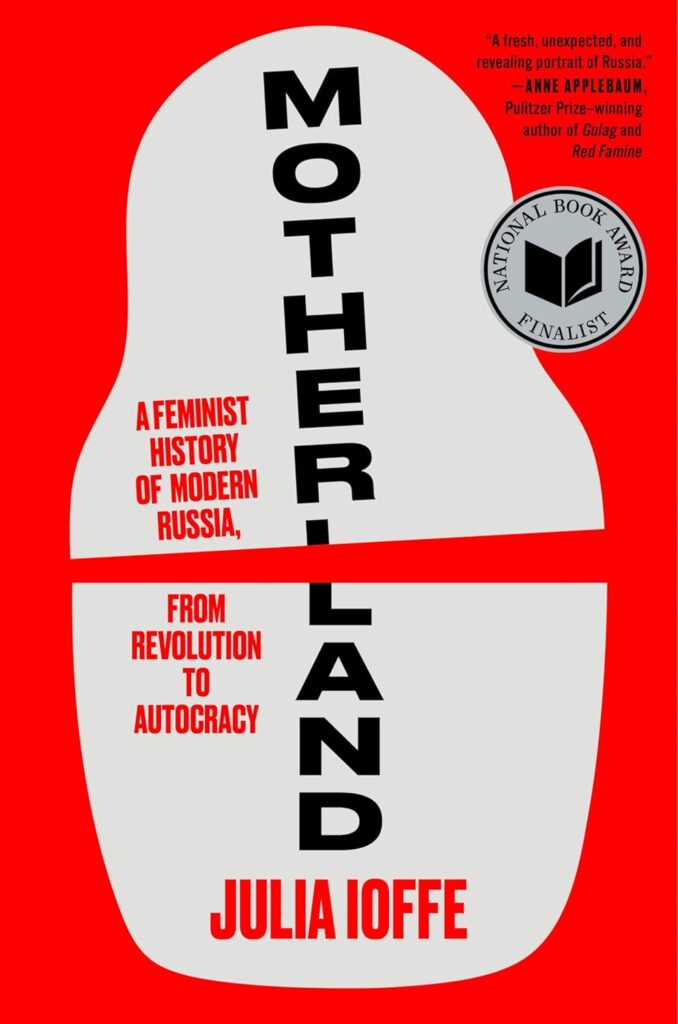
The Last Russian Doll by Kristen Loesh and Motherland by Julia Ioffe – Generations of Russian women, told through history and imagination.
Motherland was one of my favorite reads of 2025 and The Last Russian Doll is a perfect match. Both books follow multiple generations of Russian women, from the time of the revolution to the present, with a shared goal of uncovering histories. They feel like a personal glimpse into lives of the past and present. Motherland especially may send you down a reading rabbit hole, as many of the individuals mentioned have either histories or historical fiction novels written about them.
While Motherland tells its stories through real women and reported history, The Last Russian Doll weaves fairy tales and symbolism into its pages. Both could satisfy anyone who likes to read books about Russian history, influential women, or with layered, multi-generational narratives.
If you made it this far, let us know if you enjoyed this post. I have even more similar pairings in the works that include additional genres.